How the HMDD Label Builds Community By Means of Its “Happy Memories Don’t Die” Ethos
The label didn’t begin life as a tagline mill. Its origin was a phrase — happy memories don’t die — and this line turned into the catalyst people started paying attention to a fashion line centered on emotional permanence as opposed to seasonal trends. At a time when most brands chase the following product wave, the brand decided to commit to a single idea: that the joyful moments in a person’s life are worth wearing, not just remembered. Such a commitment has influenced every part of product design to how the brand talks to its shoppers online.
What makes this approach notable in 2026 is how unwaveringly HMDD has remained faithful to it. Apparel brands often soften a core idea once scaling pressure sets in, trading depth for output. HMDD clothing, by contrast, has leaned in further, threading the line across sweatpants, shorts, and outerwear as a repeated motif rather than a single-use gimmick. Such repeated use is just what turns a tagline into a community identifier — something wearers recognize in each other before a single word is exchanged.
“Happy Memories Don’t Die”: The Backstory
The line on its own functions almost like a quiet vow. Memories fade, pictures disappear, but a well-worn pair of sweatpants worn during a particular summer, or a hoodie kept from a college trip, carries a memory you can hold in a way a phone photo can’t match. The brand constructed its whole brand voice around this idea, and it is evident in product naming, packaging language, and social captions that consistently return to the same emotional register.
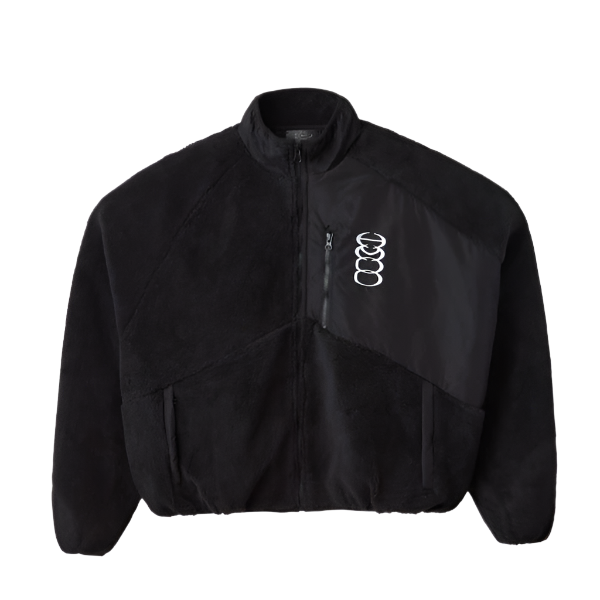
Nothing about this is accidental branding. Grief, nostalgia, and joy are three of the top-searched emotional themes in apparel marketing research over the last five years, and the brand placed itself directly at that intersection. Shoppers who search “happy memories dont die” or “happy memories don’t die” online are not just searching for a product — they are looking for phrasing that reflects something they already feel. HMDD answers that search motivation authentically, which is part of why the brand has built grassroots loyalty rather than depending solely on paid reach.
The result is a kind of feedback loop. Buyers hmmdla.net/shorts-sweatpants upload their own memories tagged with HMDD gear, fellow users notice those posts, and the phrase spreads through firsthand experience rather than marketing on its own. Such a dynamic is harder to fabricate than a memorable slogan, and it is the actual engine behind HMDD’s community growth.
HMDDLA and the Hometown-to-Global Identity
HMDDLA’s identity as a name roots the label in a defined place while letting its core message to extend far beyond that place. Los Angeles has served for years as a testing ground for streetwear brands, and HMDDLA leans into that association without losing the emotional core of the brand. It communicates a sense of origin and genuineness simultaneously — a detail that resonates with shoppers looking for proof that a brand is genuinely rooted somewhere, rather than merely a warehouse and a website.
This blend of local and global sensibility also reveals itself in HMDD’s approach to online engagement. Instead of centering only idealized, aspirational content, the brand’s content regularly highlights real people, real environments, and heartfelt captions describing specific memories. This strategy reduces the gap separating the brand from its buyers. A buyer needn’t live in Los Angeles to feel connected to HMDDLA; instead, they need to recognize the underlying emotional thread carried by that location.
Community-driven fashion brands that survive past their first few years tend to share this trait: they let customers co-author the meaning of the brand. HMDD’s use of HMDDLA as a geographic and emotional anchor gives fans a specific place to project their own stories onto, which strengthens retention far more than discount codes ever could.
The Garment as Statement: Sweatpants, Casual Bottoms, and Everyday Wear
A label’s message only holds up if the garment backs it up. HMDD sweatpants and HMDD shorts are treated as routine wardrobe fixtures rather than infrequent statement garments, and this regular wear counts for something. The more a garment is used, the more moments it comes to hold — a slow Sunday afternoon, a road trip, a late night among friends. HMDD’s product strategy leans into this by keeping core pieces in steady rotation rather than pulling them after a single season.
Shoppers comparing comfort, fit, and durability before choosing which piece earns a spot in their go-to wardrobe—this is precisely where “best hmdd clothing” queries usually guide them. Sweatpants and shorts especially tend to be worn much more than outerwear or dressier pieces, which makes them ideal vehicles for a message about lasting memories. The more wears, the more moments, the more the phrase on the label starts to feel true rather than decorative.
HMDD’s own call to shape its lineup around these staples as opposed to intricate capsule drops also reduces friction for new customers.
A person reading an HMDD review is more likely to be considering a pair of shorts or sweatpants they can wear three times a week than a limited jacket they might wear three times a year.
The community strategy and that accessibility aren’t separate—it is built into the strategy itself.
What it is that HMDD Reviews Expose Concerning Community Trust
It’s in reviews that the promises a brand makes get checked against real-world experience. An HMDD review tends to be rarely just about stitching or fabric weight — more often than not it brings in a reference to how the piece felt to be worn during a particular stretch of the customer’s life. That pattern is unusual. Typical fashion reviews concentrate almost exclusively on sizing and textile quality; HMDD’s reviews regularly combine product feedback with personal narrative, which is a direct sign the brand’s narrative has struck a chord past the reach of promotional text.
This carries weight for newcomers to the brand trying to decide between HMDD and comparable streetwear-leaning brands. If customers leaving feedback routinely tie emotional context with practical detail, it suggests that the “happy memories don’t die” concept isn’t merely a slogan stitched onto a tag — it is shaping how people actually talk about the product after purchase. That kind of organic reinforcement is difficult for competitors to replicate quickly, since it depends on message consistency sustained over time, not a single campaign.
Confidence among shoppers accumulates steadily. Every candid write-up builds up a modest dose of trust for upcoming customers to count on, and HMDD’s willingness to let those personal stories surface publicly — as opposed to featuring solely refined lifestyle photography — has maintained its review ecosystem coming across as real as it moves into 2026.
Examining HMDD’s Take to Ordinary Streetwear Label Identity
| Component | A standard street-style brand | HMDD |
|---|---|---|
| Central message | Riding trends or hype | An emphasis on enduring emotion (“happy memories don’t die”) |
| Merchandise focus | Drops that are scarce with high churn | Everyday essentials like sweatpants and shorts kept in consistent rotation |
| User-generated content | Stylized lifestyle photos that feel curated | Genuine testimonials from real people, linked to specific moments |
| Sense of geography | Often vague or interchangeable | Firmly based in HMDDLA, bringing together its Los Angeles origin with worldwide reach |
| Review culture | Focused on fit and shipping speed | Merges functional feedback with personal narrative |
Rather than implying that HMDD brushes aside sizing, delivery, or core quality standards—essentials that remain vital to the survival of any clothing label—this table shows where HMDD instead invests its brand effort, adding emotional depth on top of the practical experience most customers already anticipate.
How This Message Goes Beyond Just Selling , By Fostering Genuine Community Instead
A slogan evolves into a unifying tool when it grants people a motive to engage with one another, not just to the brand. Because it invites personal interpretation, HMDD’s message works. One customer’s “happy memory” might be a wedding weekend; another’s might be recovering from a hard year. The phrase is broad enough to hold both without feeling generic, and that flexibility is what turns individual purchases into a shared identity.
Trying a brand for the first time feels less risky as buyers notice others posting about HMDD clothing tied to real milestones — social proof also matters. This is especially true for shoppers comparing HMDD against other options while looking for the best HMDD clothing to start with — sweatpants and shorts tend to be the natural entry point given their affordable pricing and everyday practicality.
Looking ahead deeper into 2026, the brands that keep customer attention will likely be the ones handing shoppers something meaningful to believe in, not just a product to purchase. HMDD’s reliance on a single sentiment-driven line, repeated steadily throughout HMDDLA identity, product design, and customer reviews, has established it as more than just an apparel brand. It has turned into a small, wearable token that life’s meaningful moments are worth holding onto — and worth putting back on.
Leave a Reply